Four Generations in the Waste Industry
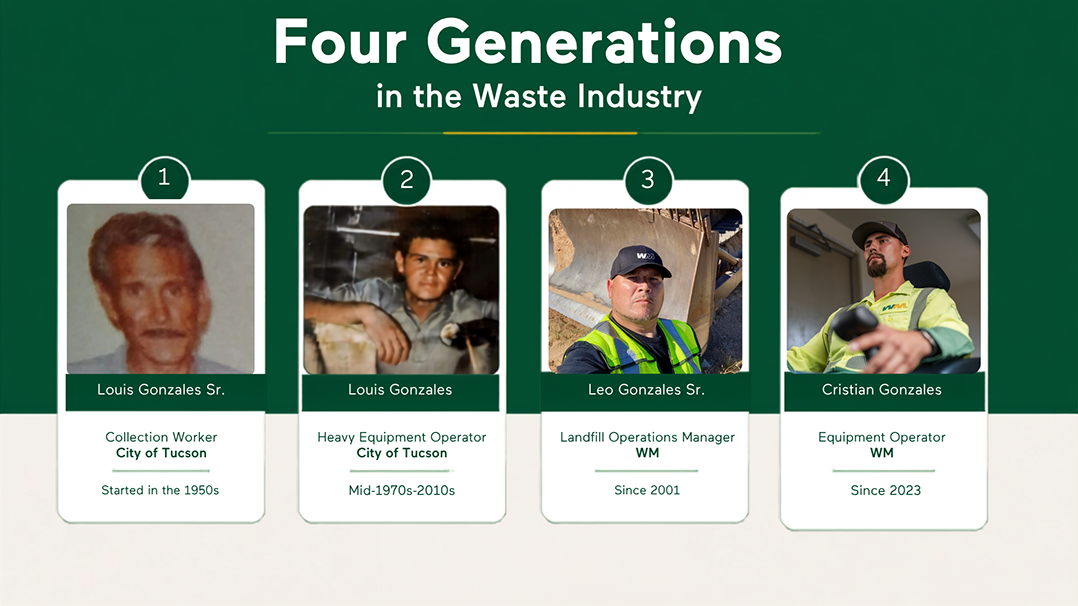
For more than 60 years, the Gonzales family has worked in the waste industry, experiencing firsthand the evolution of landfill operations, safety and technology.
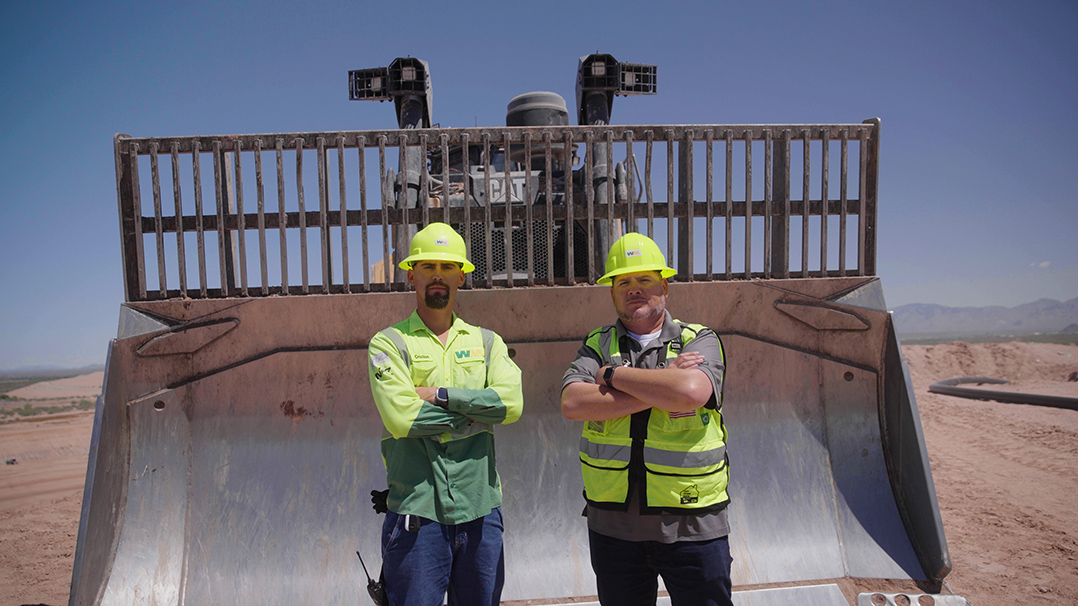
Cristian Gonzales (left) and Leo Gonzales Sr. (right) at WM's Marana Regional Landfill in Marana, Arizona, where the father and son work side by side as the third and fourth generations of the Gonzales family in the waste industry. Christian does not report to his father.
- Four generations of the Gonzales family have worked in the waste industry, including two with the City of Tucson and two with WM
- The family has witnessed the industry’s transformation from hand-collected trash routes and open-cab heavy equipment to highly engineered landfills where landfill gas is collected and can be turned into renewable energy
- Today, father and son Leo and Cristian Gonzales are helping shape the landfill of the future through WM’s pilot of remote-controlled technology
Every Saturday night as a child, Leo Gonzales Sr. would set out his things and get ready for the next day.
Sunday meant a trip to the Los Reales landfill, where his father, Louis Gonzales, worked as a heavy equipment operator for the City of Tucson. While most kids spent their weekends at home or with friends, Leo spent his riding alongside his dad.
"That was the best day of my week," Leo recalled. "I would go with him and sit in the cab all day long."
At just 8 years old, Leo was already getting behind the controls of a scraper under his father's watchful eye, an experience that would be unthinkable in today's safety-focused environment at WM.
"Back then it was different," he said. "I would always tell my mom, 'I'm going to work in the landfill. Everybody would laugh and say, 'You're going to grow out of it.' But that phase never went away."
What began as a childhood tradition grew into a lifelong passion. After high school, Leo joined landfill operations as a temporary laborer in 2001. A year later, he became an equipment operator. Over the next two decades, he advanced, and Leo now serves as a landfill operations manager, overseeing WM's Marana and Ajo landfills as well as several transfer stations in southern Arizona. Along the way, he became a father himself. Today, he works alongside his son, Cristian, continuing a four-generation family legacy in the waste industry.
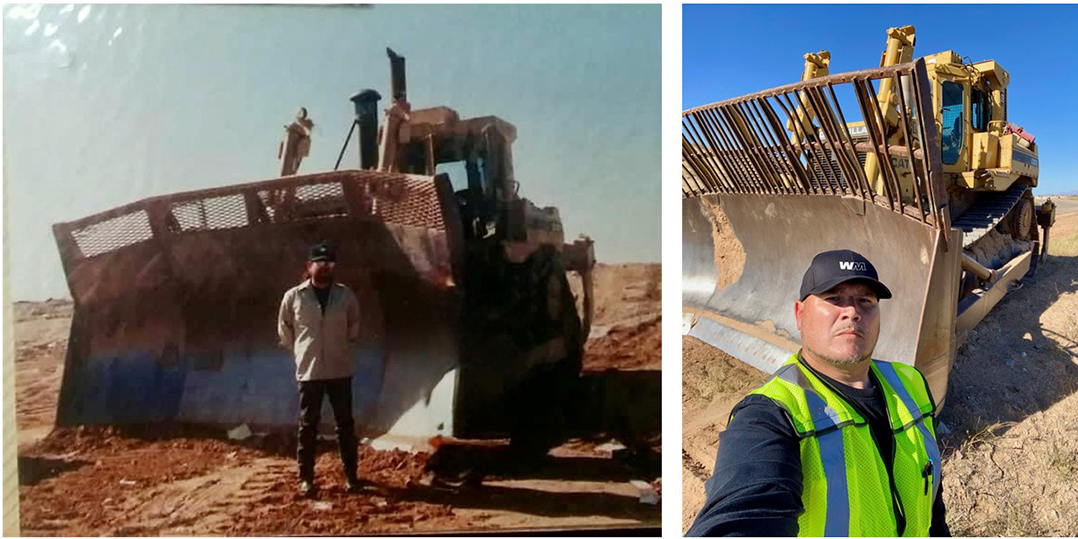
(Left) Louis Gonzales stands in front of a Caterpillar D9 dozer. (Right) Years later, his son, Leo Gonzales, Sr. poses with the same machine after its blade had been replaced and shortly before it was sold.
Why Cristian Chose to Follow in His Family's Footsteps
That family tradition continued in 2023 when Cristian joined WM.
Before coming to the company, Cristian explored other career paths, including retail work and an interest in law enforcement. But the industry that had shaped his family's history ultimately drew him in.
"I love it," Cristian said. "I don't want to stop doing it. I feel like it was kind of meant to be where I am right now."
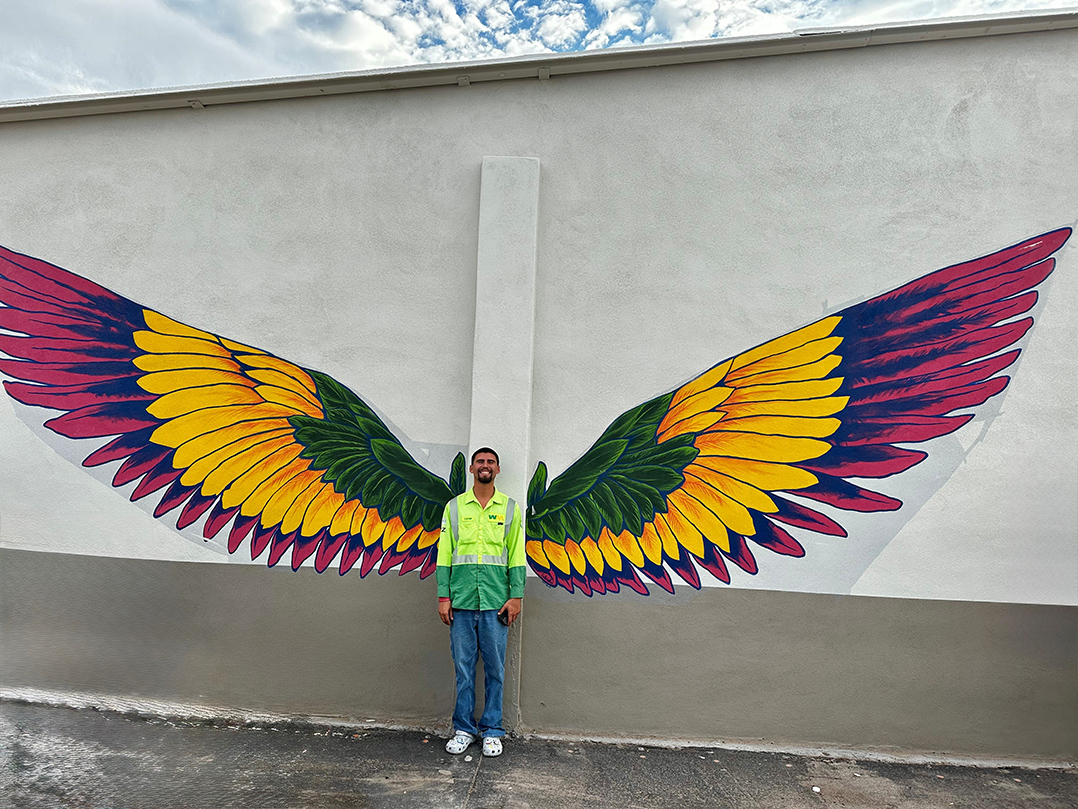
Cristian Gonzales wears his WM uniform while posing beside a mural in Ajo, Arizona, after helping complete a landfill capping project.
For Leo, watching his son enter the industry brought back memories of his own father.
"I remember looking at him out there and wondering, 'Is this how my dad felt when he saw me?'" Leo said. "It just put a smile on my face."
The moment carried even deeper meaning because Leo's father, Louis Gonzales, lived long enough to see his grandson carry on the family tradition.
"Before he passed away, he was able to see my son following in the family's footsteps," Leo said. "The smile that he would have on his face ... wow."
How the Waste Industry Has Changed Across Four Generations
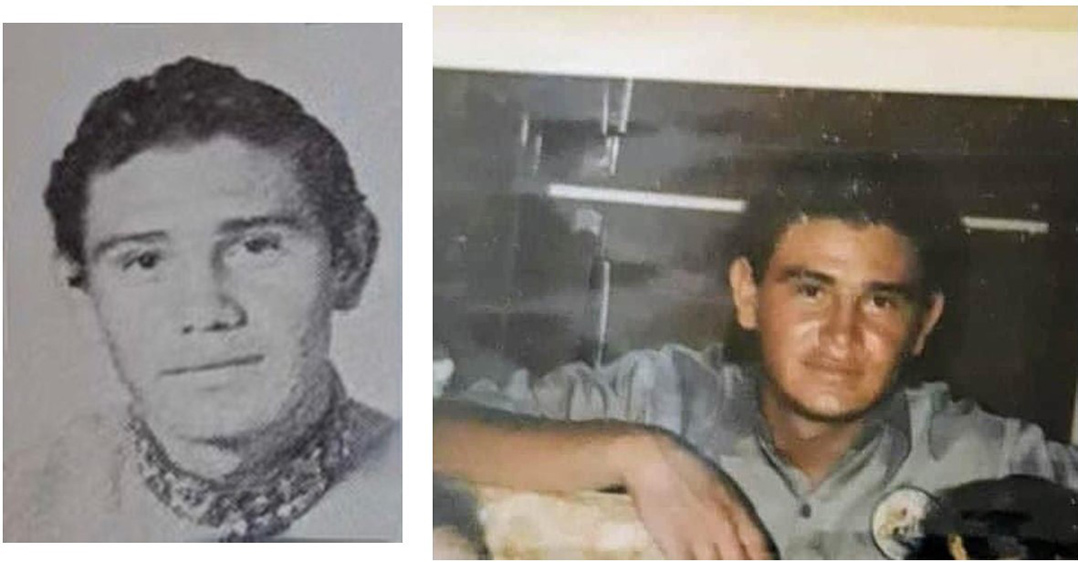
(Left) Louis Gonzales, father of Leo Gonzales Sr. and grandfather of Cristian, pictured in the 1970s. (Right) Louis Gonzales on his first day as an employee of the City of Tucson, wearing his original city uniform.
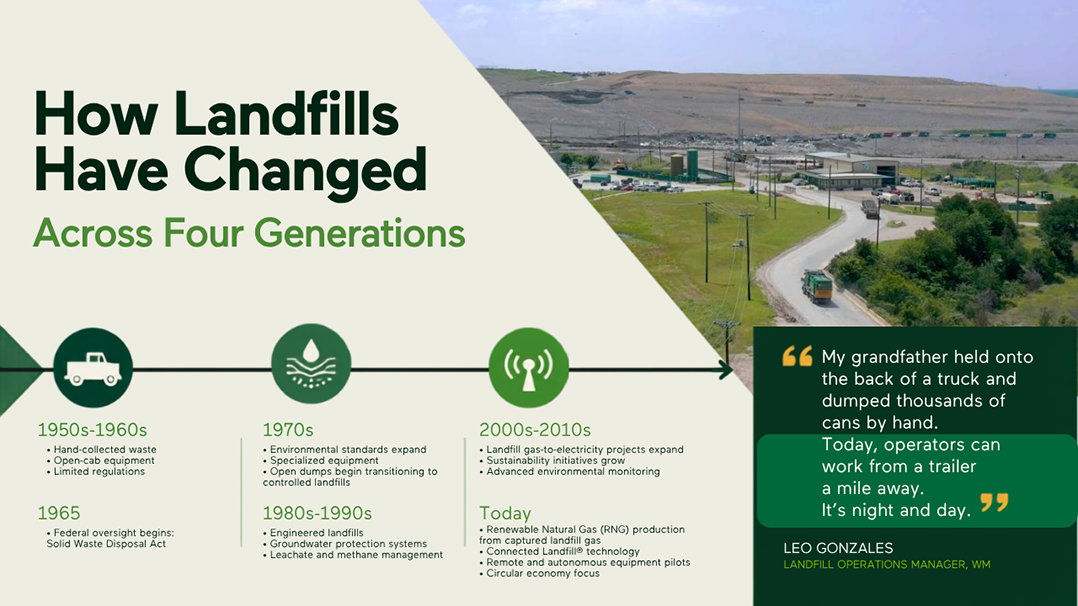
Across four generations, the Gonzales family has witnessed the waste industry evolve from hand-collected trash routes and open-cab equipment to highly engineered landfills and advanced technology.
The family's connection to the industry began with Leo's grandfather, Louis Gonzales Sr., who worked on what crews called "train collections," manually emptying residents' garbage cans into carts that traveled Tucson's streets.
The next generation, his son, Louis Gonzales, began working at Tucson's Los Reales Landfill and spent 40 years there as a heavy equipment operator.
"My dad used to wear firefighters' boots and fill them up with ice because the floorboard of the equipment would get so hot," Leo said.
Louis worked in open-cab equipment, exposed to Arizona's extreme summer temperatures and far fewer safety protections than operators have today.
"I think it's night and day from then to now," Leo said. "The safety procedures that we have to keep our guys safe ... back then there really wasn't that worry about their safety."
While equipment, technology and safety practices have changed dramatically, some aspects of the industry have remained the same.
Leo remembers hearing stories about the cookouts and camaraderie that brought employees together after work.
"It was a Saturday ritual," he said. "They'd cook out at the landfill and hang out there until 9 or 10 o'clock at night."
Today, Leo works to foster that same sense of community among his team.
"The technology's changed," he said, "but the camaraderie hasn't."
Looking Toward the Future
Today, this father and son are witnessing another chapter in the industry's evolution.
Across their careers, the Gonzales family witnessed landfills evolve from simpler operations into highly engineered facilities. Modern landfills are designed to help protect groundwater, manage landfill gas and support environmental stewardship. What was once viewed simply as disposal has become a sophisticated approach to managing materials while protecting natural resources.
"We are a landfill, but we do not have to look like a landfill," Leo said. "I've had people come up and say, 'Wow, I didn't even know there was a landfill right here.'"
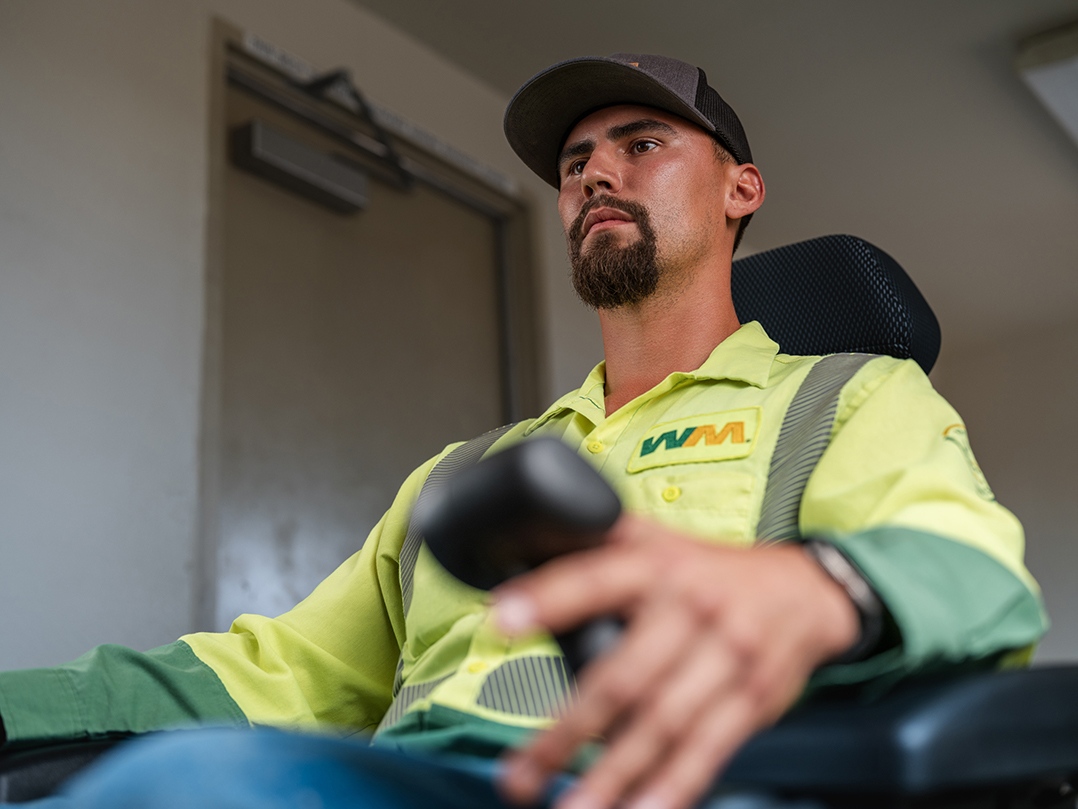
Cristian Gonzales operates a bulldozer from inside a command center using Cat® Command remote-controlled technology.
At WM's Marana Landfill in Arizona, Cristian is helping evaluate Cat® Command remote-controlled technology as part of a pilot. From a climate-controlled room, operators use joysticks, pedals and multiple screens to perform tasks that once required sitting inside heavy equipment on the active face of the landfill.
"When you're sitting in a chair a mile away, you don't feel the bumps, uneven surfaces or hard materials you run into out on the landfill," Cristian said. "It's saving your body a lot."
The technology requires operators to develop new skills, including relying on cameras and depth perception rather than direct visibility, but Cristian adapted quickly.
For Leo, watching his son embrace new technology is yet another example of how dramatically the industry has changed since the days he spent riding beside his father in heavy equipment with an open cab.
A Legacy That Continues
Despite the many changes, one thing has remained constant: pride in the work.
"Other people look at waste like, 'Oh, it's just waste,'" Leo said. "To me, there's so much more than that."
He points to WM's focus on sustainability, recycling and environmental stewardship as examples of how today's industry extends far beyond simply disposing of waste.
Cristian shares that perspective.
When asked what his first day on the job felt like, his answer came quickly.
"Like déjà vu, like I was meant to be here," he said.
Watching his father lead operations has also shaped the kind of employee he hopes to become.
"I see my dad every day working so hard and trying to make everything look so good," Cristian said. "It makes me want to be right there with him, working as hard and getting to the skill level that my dad's at and his dad."
As for what comes next, Cristian believes the industry will continue evolving.
"It’s hard to say exactly what it will look like,” he said. “Twenty years from now, I imagine there will be new technology and different tasks with automation.”
If that happens, a fifth generation of the Gonzales family could someday operate equipment in ways their ancestors never imagined.
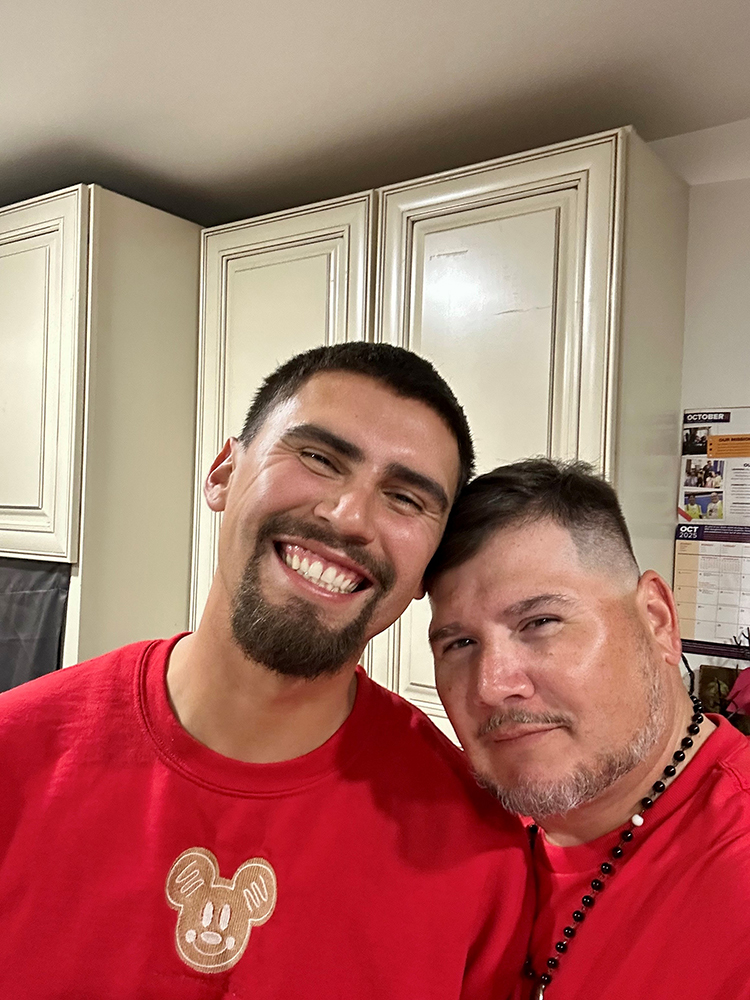
Leo Gonzales Sr. and Cristian Gonzales at a family Christmas party. The father-son duo works side by side today, continuing a four-generation family tradition in the waste industry.
LEARN MORE about how WM is shaping the future of landfill operations:
- Read WM's 2026 Sustainability Report
- See how WM's modern landfills are designed to protect the environment
- Explore CONNECTED LANDFILL® technology