Don’t Trash It on Moving Day
How the UNTRASH IT initiative helps to keep clothing out of landfills and in the circular economy
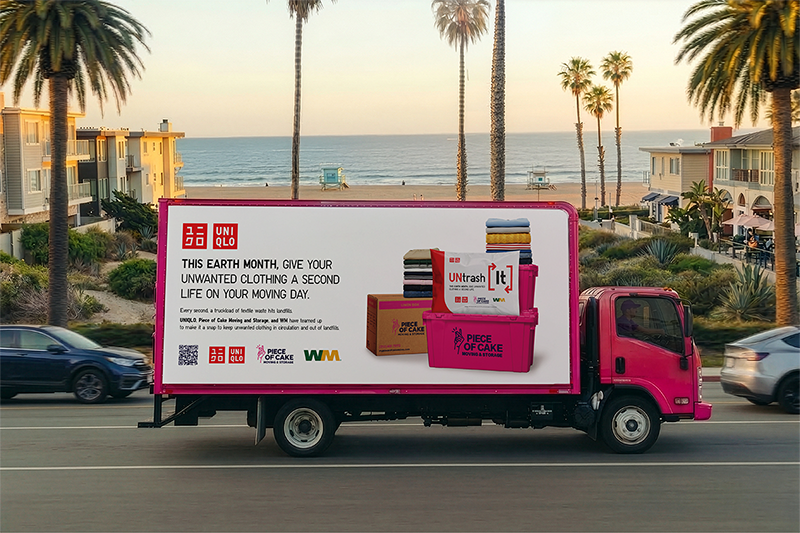
Moving day has a way of turning stuffed closets into trash bags. Shirts that haven’t been worn in years and jeans that no longer fit are often tossed because it’s the fastest option during this hectic time.
And it’s not just on moving day - according to U.S. Environmental Protection Agency data, Americans have generated steadily increasing amounts of textile waste for decades, making textiles one of the fastest‑growing waste streams. The EPA data shows textile recycling rates have largely stayed flat, hovering at about 15% since 2000.
This April, coinciding with Earth Month, WM, North America’s largest recycler and provider of comprehensive environmental services is supporting an initiative with global apparel brand UNIQLO — known for high‑quality, essential clothing — and Piece of Cake Moving & Storage to intercept clothing at a time when it is highly likely to be thrown away: moving day. Instead, items will be donated through the RE.UNIQLO program or processed at WM’s textile recycling facility.
How clothing enters the program
Through the UNTRASH IT initiative, unwanted clothing is collected during moves booked with Piece of Cake in New York City, Los Angeles and Dallas. Clothing can also be dropped off at UNIQLO stores nationwide through the brand’s RE.UNIQLO takeback program, which has existed since the start of the company.
Garments first go through UNIQLO’s reuse-focused sorting process, where items suitable for continued wear are identified and directed to local nonprofit organizations. Clothing that can no longer be worn is then sent to WM, where the focus shifts from reuse to material recovery.
Inside WM’s textile recycling facility in South Carolina
Textiles that are no longer wearable are processed at WM’s textile recycling facility just outside Greenville, South Carolina — one of the most sophisticated operations of its kind in the U.S. Opened in 2024, the facility can process up to 6,000 tons of textiles annually.
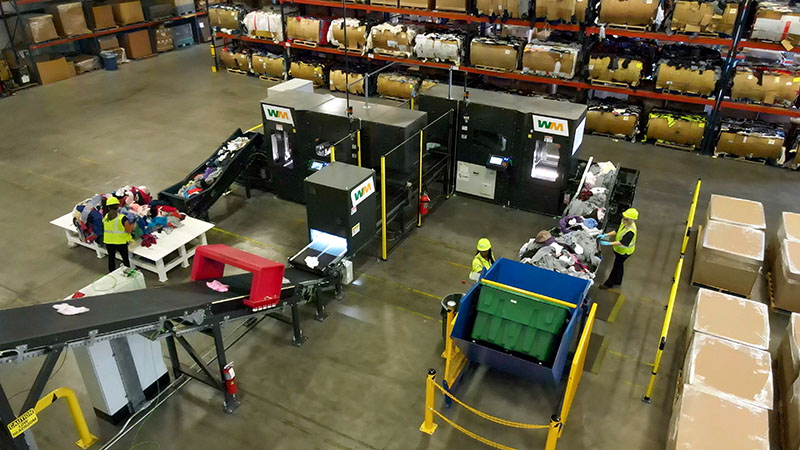
Inside the facility, textiles move through a highly organized sorting process that combines advanced robotics and near-infrared technology, enabling WM to identify and separate materials by fiber composition and color. This is a critical step in preparing textiles for today’s emerging recycling markets.
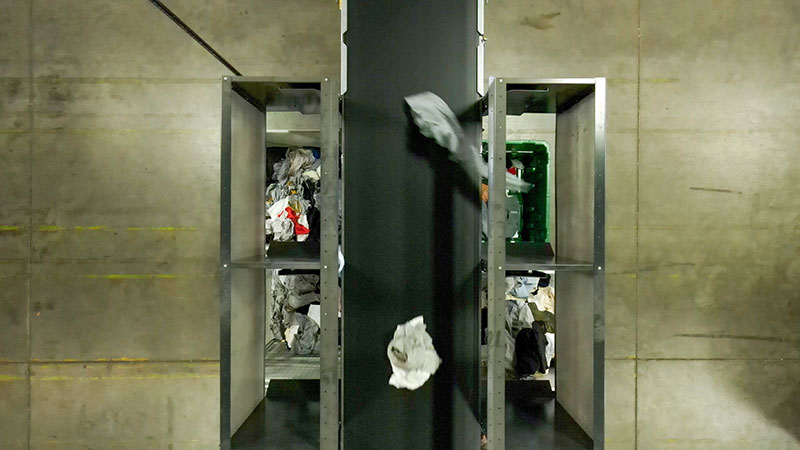
WM’s investment in advanced sorting technology is designed to enable greater scale and efficiency. The ability to sort textiles at this level helps unlock new end uses for materials that would otherwise be discarded, including pathways that support the development of fiber-to-fiber recycling technologies.
“Textile recycling is helping cities and businesses increase landfill diversion,” said Raymond Randall, senior manager of Textiles, Sustainability Growth Solutions at WM. “Advanced sorting technology allows us to support circular solutions that were not possible at scale just a few years ago.”
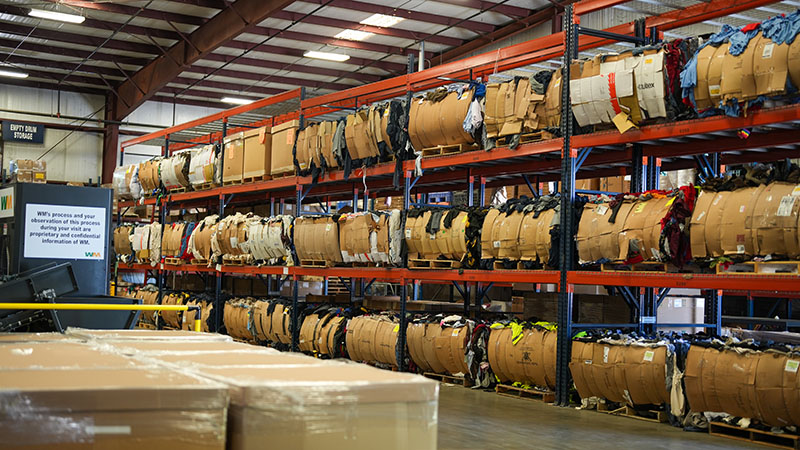
WM’s textile recycling facility supports pilot programs across the country, including residential textile collection efforts, multifamily housing pilots and collaborations with organizations such as Goodwill and Reju to strengthen the textile reuse and recycling infrastructure in North America.
Building a more circular future
Now in its second year, the UNTRASH IT initiative is expected to collect approximately 10,000 pounds of clothing. While that represents a small fraction of the textiles discarded each year, it shows how convenience, collaboration and infrastructure can work together to help divert textiles from landfill.
While consumer‑facing initiatives help change behavior, long‑term progress depends on strong systems behind the scenes. WM’s continuing investments in advanced sorting technology, pilot programs and recycling partnerships are helping build the backbone of a more circular textile economy.